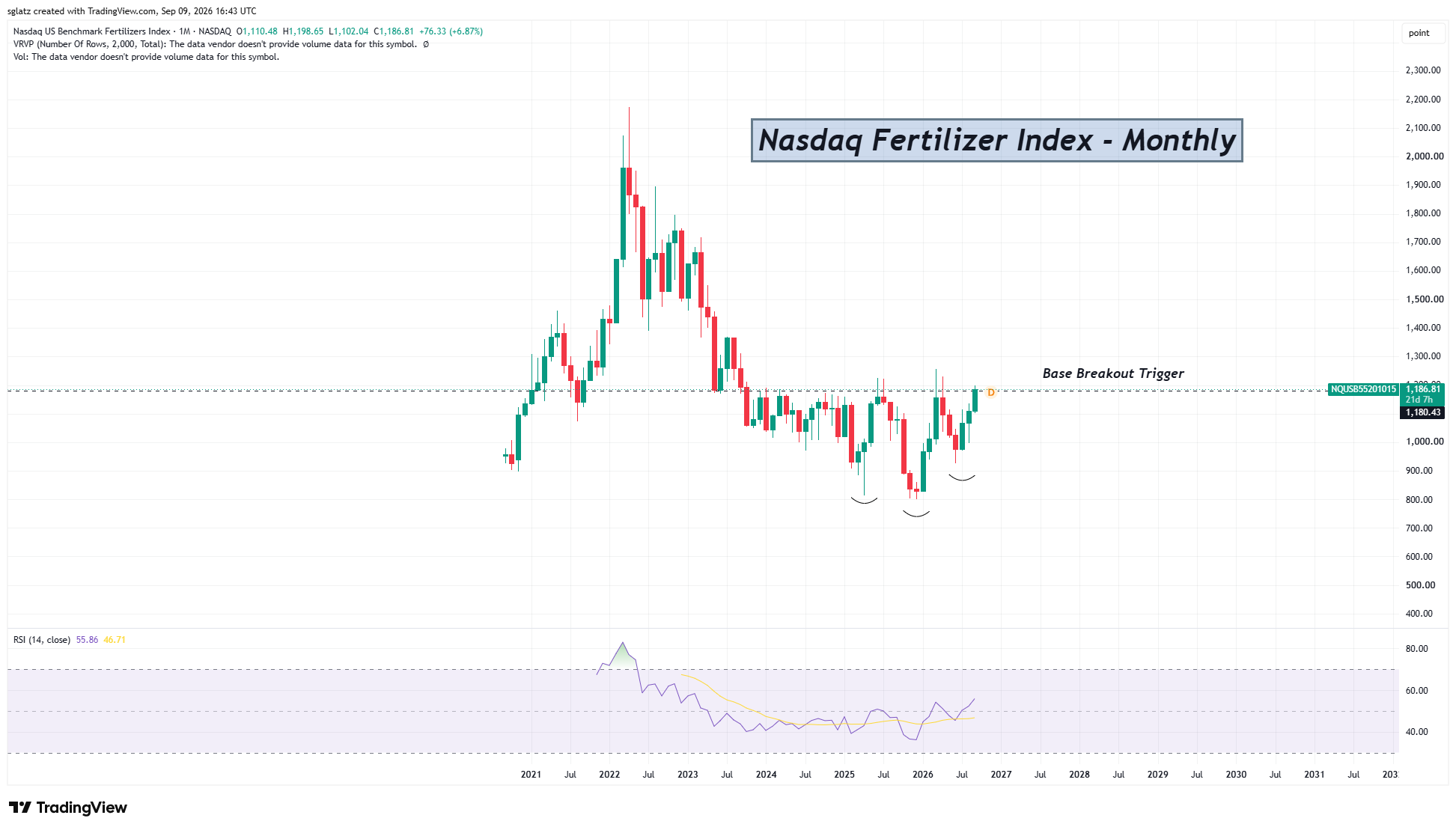
Commodities
Price of Sugar During Acute Energy Supply Crisis
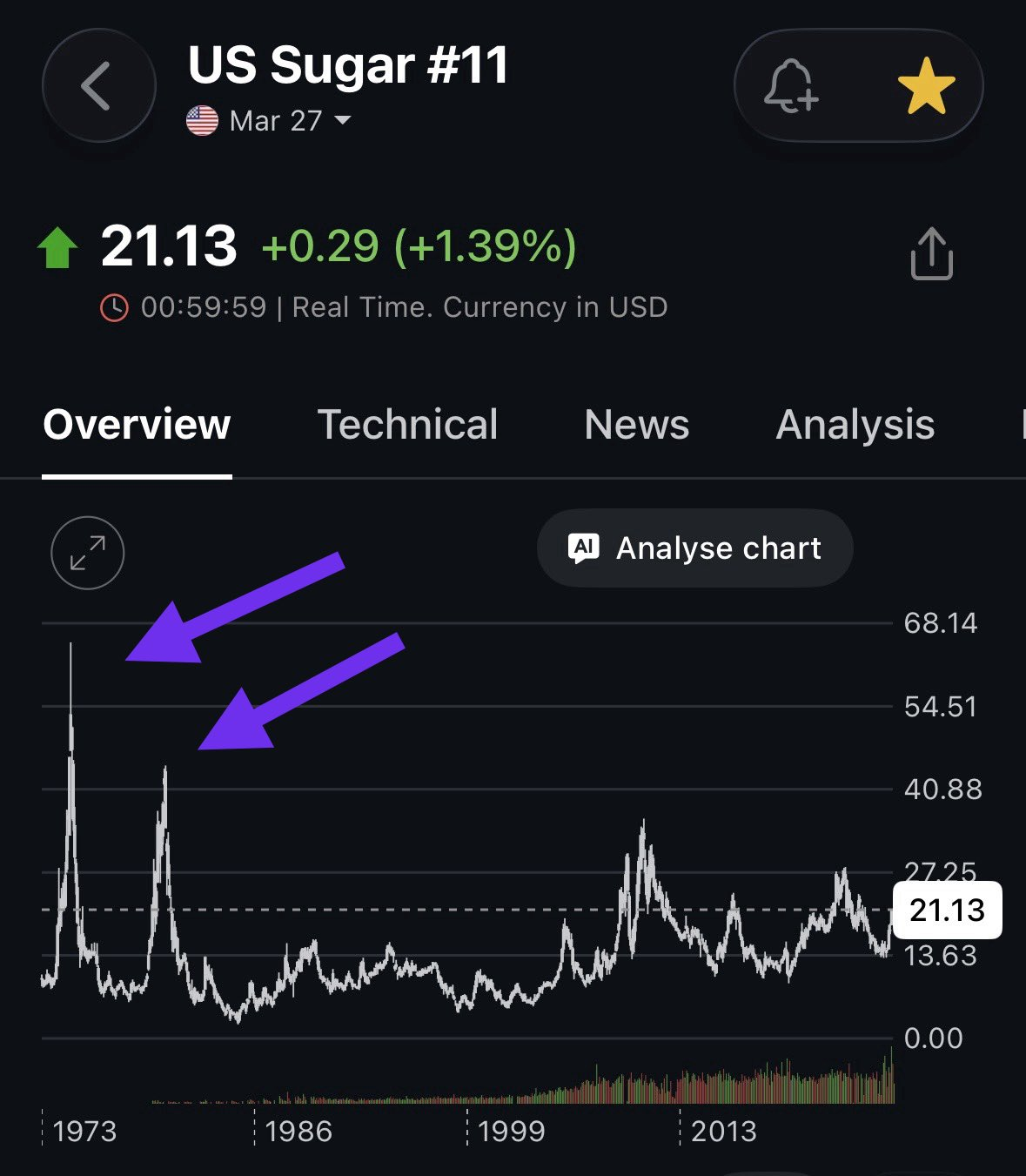
I used two arrows to point at what happened to the price of sugar the last time the world experience an acute energy supply crisis.
I used two arrows to point at what happened to the price of sugar the last time the world experience an acute energy supply crisis.
Simon can not seem to keep it short. He steams along like a tea kettle.
|
SOMETHING VERY INTERESTING IS HAPPENING IN THE STRAIT OF HORMUZ Reuters reports Saudi Aramco loaded around 14 MILLION barrels of crude onto seven VLCCs at Gulf terminals on Sunday. Satellite images reportedly show seven tankers around Ras Tanura. Why is this interesting? Saudi Arabia’s East West pipeline was attacked and shut down. That pipeline exists specifically to allow Saudi crude to bypass Hormuz and reach the Red Sea. So what happened next? Saudi dramatically increased crude exports THROUGH Hormuz. And Reuters reports Aramco has sold around 60 million barrels from Ras Tanura for September and October with cargoes intended for ship to ship transfers at Sohar. Oman. So the emerging route looks like:
Ras Tanura Now it gets interesting. Iran has been restricting shipping through Hormuz. Iran and Oman have simultaneously been negotiating a temporary navigation corridor, mine clearance, information sharing, traffic management and eventually a longer term framework for the Strait. And now millions of barrels of Saudi crude are moving through Hormuz towards Oman. I have NOT found evidence yet that Iran gave Saudi Arabia permission or that these tankers are part of an Iran Saudi agreement. That distinction matters. But the question now becomes unavoidable. If Iran controls the threat environment around Hormuz, Oman is negotiating the navigation architecture and Saudi is dramatically increasing crude movements through the Strait, exactly how are these tankers being deconflicted? Who is guaranteeing passage? Iran? Oman? The US? Or some combination negotiated behind the scenes? This is what I’m watching. Because if evidence emerges that Iran is knowingly facilitating Saudi crude passage while Oman acts as the intermediary and transshipment node, that would be much more significant than seven tankers. It would be another piece of the regional architecture I believe is emerging as the Forever War winds down. Don’t follow the rhetoric. Follow the oil. |
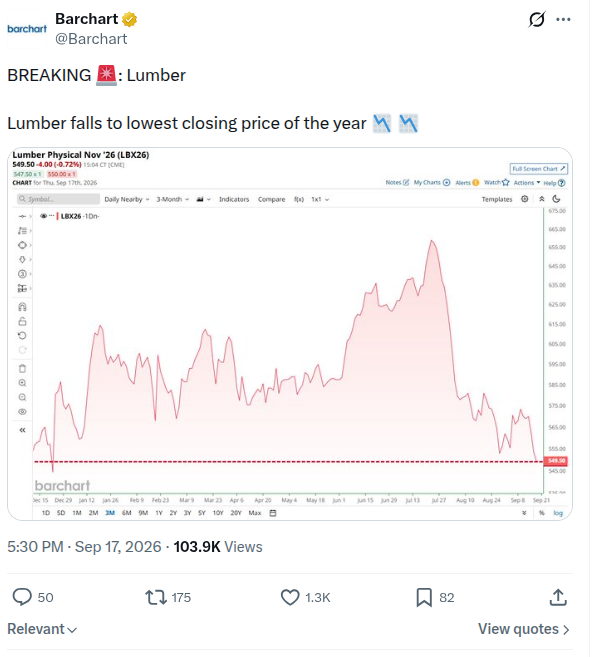
Add in diesel costs now and it is probably cheaper to grow your own. – Chris Swan @ChrisSw1977
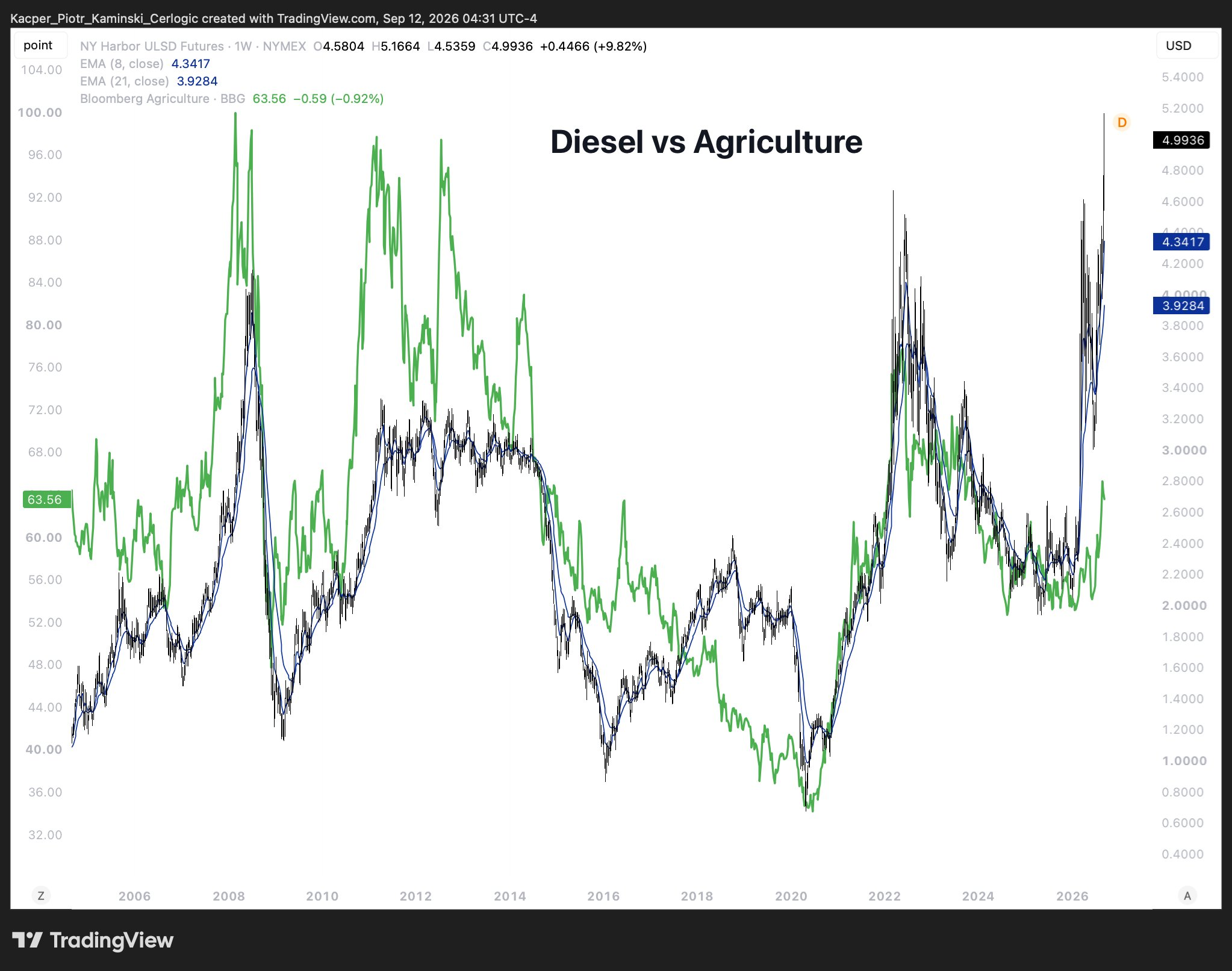
Diesel vs Agriculture Index – still the most telling chart. Coffee, corn, cotton, soybeans, soybean oil, soybean meal, sugar, and wheat.
Let's see if it's more accurate than what we get out of the St Upid Whitehouse.
Here is your daily dose of "forward guidance", in case you don't hear from your regime authorities: the arsenal they will exhaust and the exact order they'll run through it. Act like you don't know what comes next 😉 pic.twitter.com/3G1dL2qE5j
— محمدباقر قالیباف | MB Ghalibaf (@mb_ghalibaf) September 10, 2026